Dry Cleaning
If you are a dry cleaner in Massachusetts using perchloroethylene, we encourage you to explore the benefits of using Professional Wet Cleaning or Steam Cleaning.
TURI awards small business grants up to $10,000 to help dry cleaners adopt a safer alternative. Contact Rachel Massey for more information.
Problems with Perchloroethylene (perc)
Exposure to perc is associated with a variety of adverse human health effects and is designated a probable human carcinogen by the International Agency for Research on Cancer. Improper use, storage and disposal of perc have resulted in widespread contamination of groundwater and soil at dry cleaning sites. Learn more in the TURI perc chemical fact sheet.
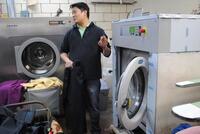
Success of Professional Wet Cleaning
TURI has been providing technical and financial support to dry cleaners across Massachusetts to help them switch to the safer alternative Professional Wet Cleaning. Learn more about how Professional Wet Cleaning works and how cleaners are lowering operating costs and achieving quality results. View the list of Massachusetts cleaners who have switched to Professional Wet Cleaning.
New! First Dry Cleaner in U.S. Switches to Steam Cleaning
Jackson Cleaners is the first dry cleaner in the U.S. to make the switch from using perc to Professional Steam Cleaning. Learn more about Jackson Cleaners in Melrose.
Assessment of Alternatives
TURI conducted an assessment of seven common alternatives to perc to find technically viable and environmentally preferred methods for professional garment cleaning in 2012. We evaluated these alternatives: professional wet cleaning, liquid carbon dioxide, high flash hydrocarbons, acetal, propylene glycol ethers, cyclic volatile methyl siloxane, and N-propyl bromide. To find the results, download the complete 56-page report or the four-page summary fact sheet.
Learn more about how Professional Wet Cleaning works and the dry cleaners who have made the switch with impressive health, financial and quality results.
Read about the health and business case for professional wet cleaning in this article.